
Nahdi Medical Company
Building a Future-Ready Supply Chain Academy
350
Supply chain employees covered by capability planning
110+
Employees trained through specialized programs
25+
Directors and managers earned APICS certifications
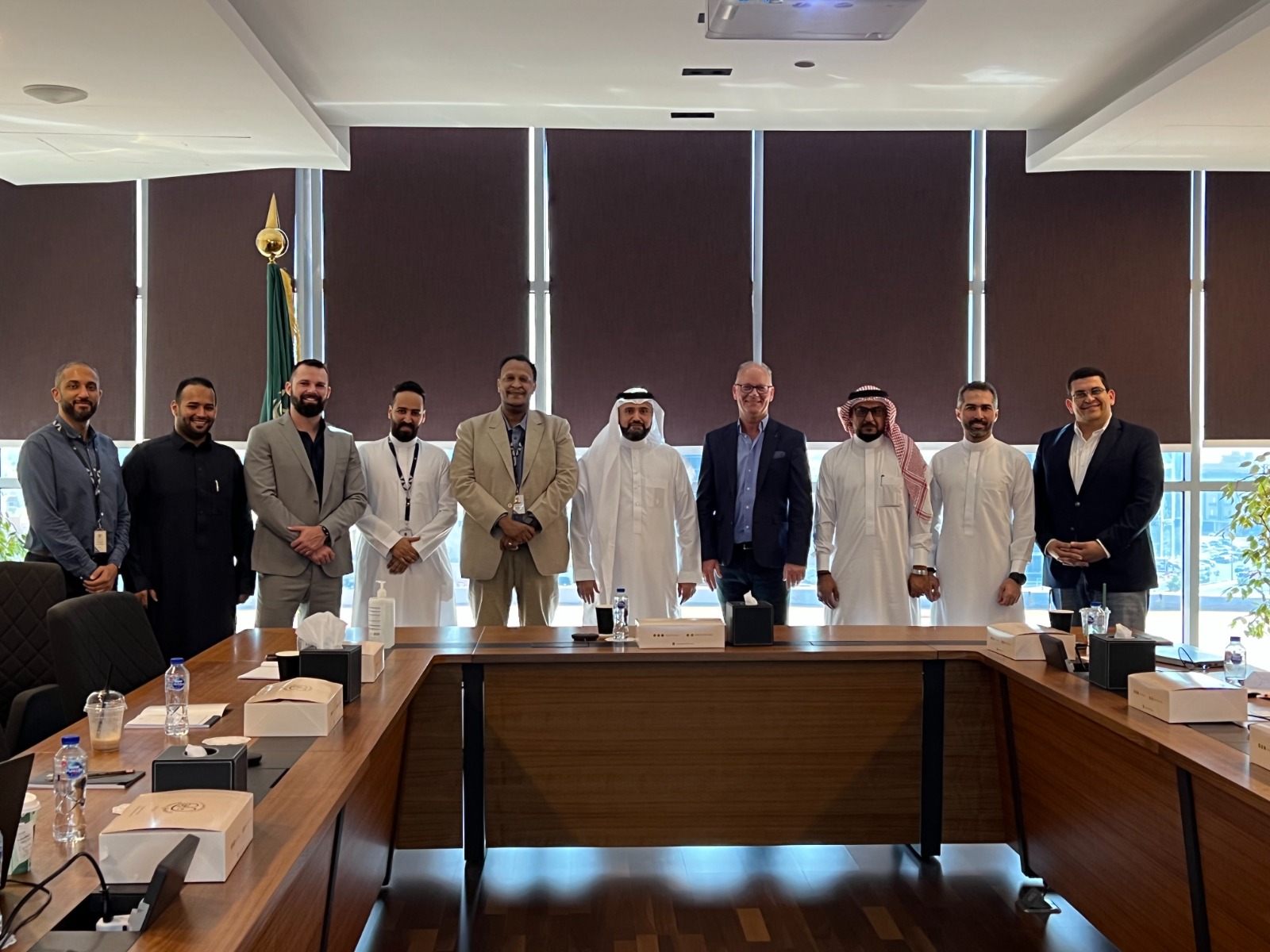
From Training Activity to Strategic Capability Platform
Nahdi Medical Company, one of the region’s leading healthcare and retail pharmacy organizations, recognized that future supply chain performance would depend not only on facilities, systems, and automation, but on people capability. With a large and diverse supply chain workforce supporting healthcare accessibility across Saudi Arabia, Nahdi needed a structured way to standardize knowledge, close skills gaps, and create a sustainable talent pipeline.
In partnership with MUHAKAT and ASCM/APICS, Nahdi shaped its Supply Chain Academy into a learning platform that connects competency mapping, role-based curricula, global certifications, SCOR-DS practices, and measurable improvement projects.
The Challenge: Building One Capability Language
Nahdi faced several people and capability challenges: employees came from diverse educational backgrounds, engagement scores needed attention, turnover was growing, practices were not fully standardized, and career development paths needed clearer structure. These challenges created inconsistency across supply chain roles and made it harder to sustain operational excellence in a fast-growing healthcare environment.
The organization needed a unified competency framework that could translate strategy into people capability, align different teams around best practices, and support a long-term learning roadmap for the supply chain division.
Choosing the Right Learning Partner
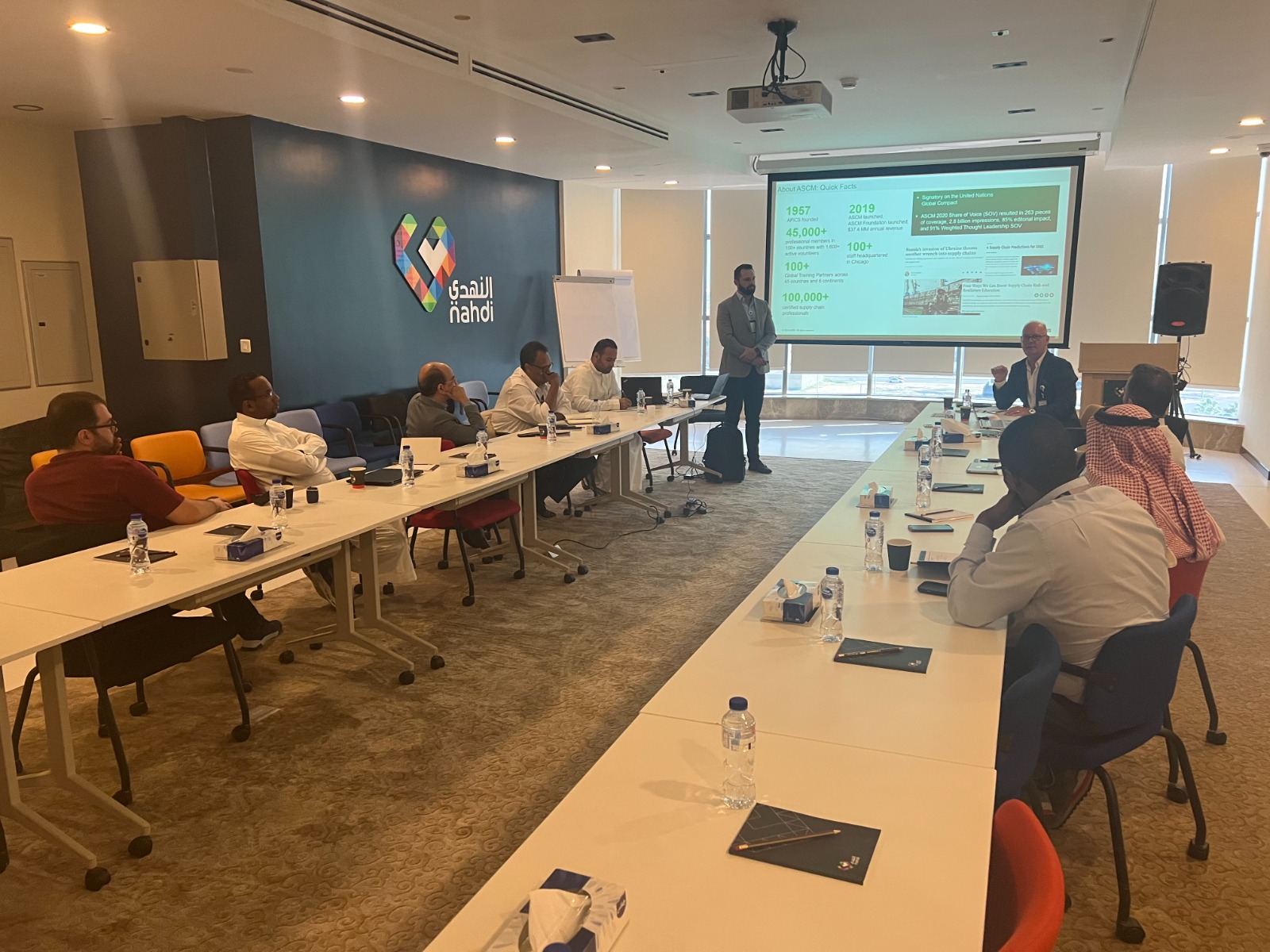
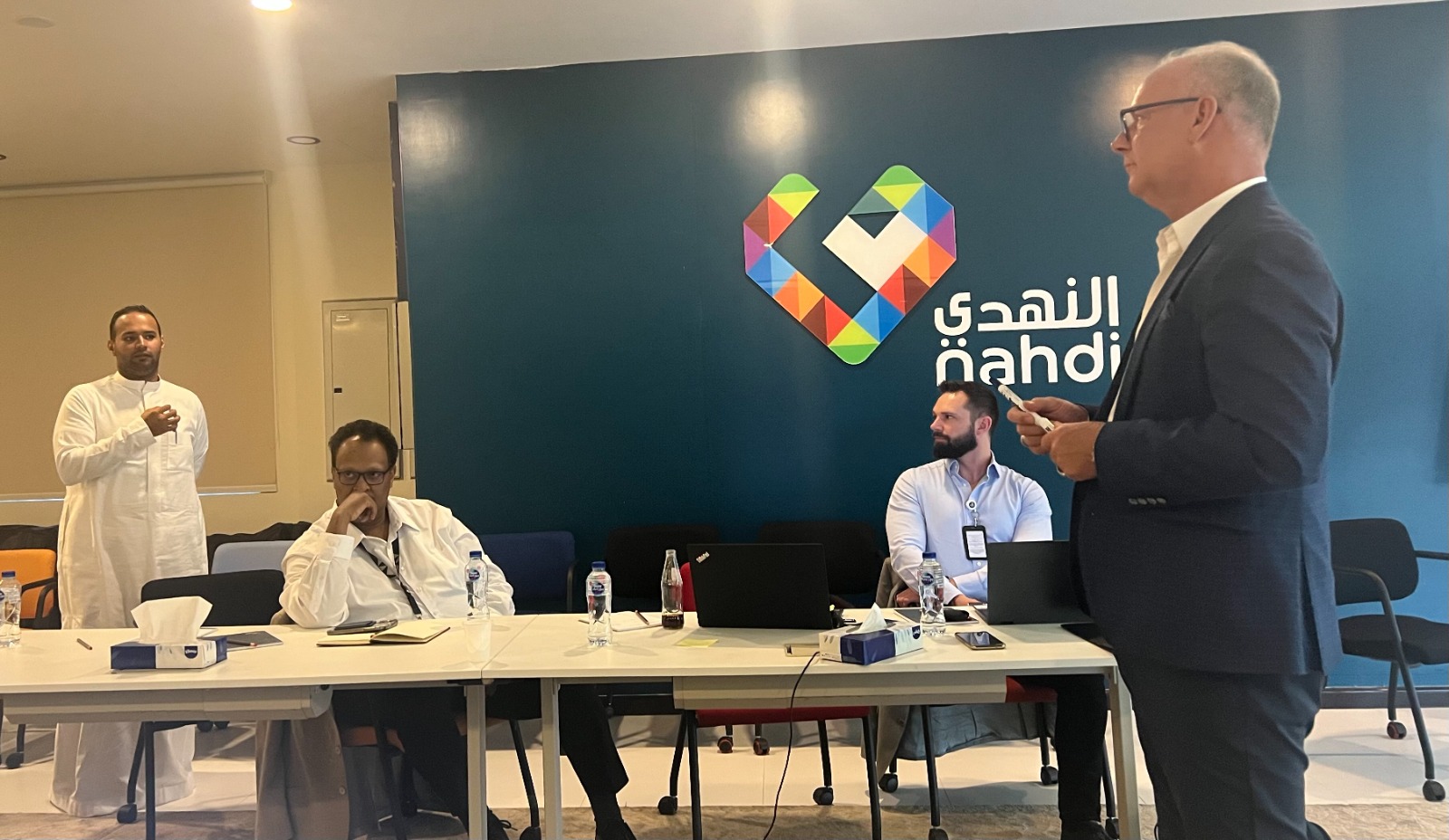
MUHAKAT and ASCM became strategic learning partners in building Nahdi’s Supply Chain Academy. The partnership helped connect global supply chain standards with practical regional delivery, enabling Nahdi to design learning pathways across technical, personal, digital, and organizational competencies. The academy was positioned not as a one-time training program, but as a multi-year capability-building engine supporting the Potency Strategy and the future of pharmaceutical retail operations.
From Competency Mapping to Learning Journeys
MUHAKAT worked with Nahdi leadership, Human Capital, Supply Chain Excellence, and functional teams to map people capabilities against future supply chain needs. The SCOR-DS model became a practical vehicle for connecting processes, skills, competencies, and training in one integrated framework.
Seizing the Learning Opportunities
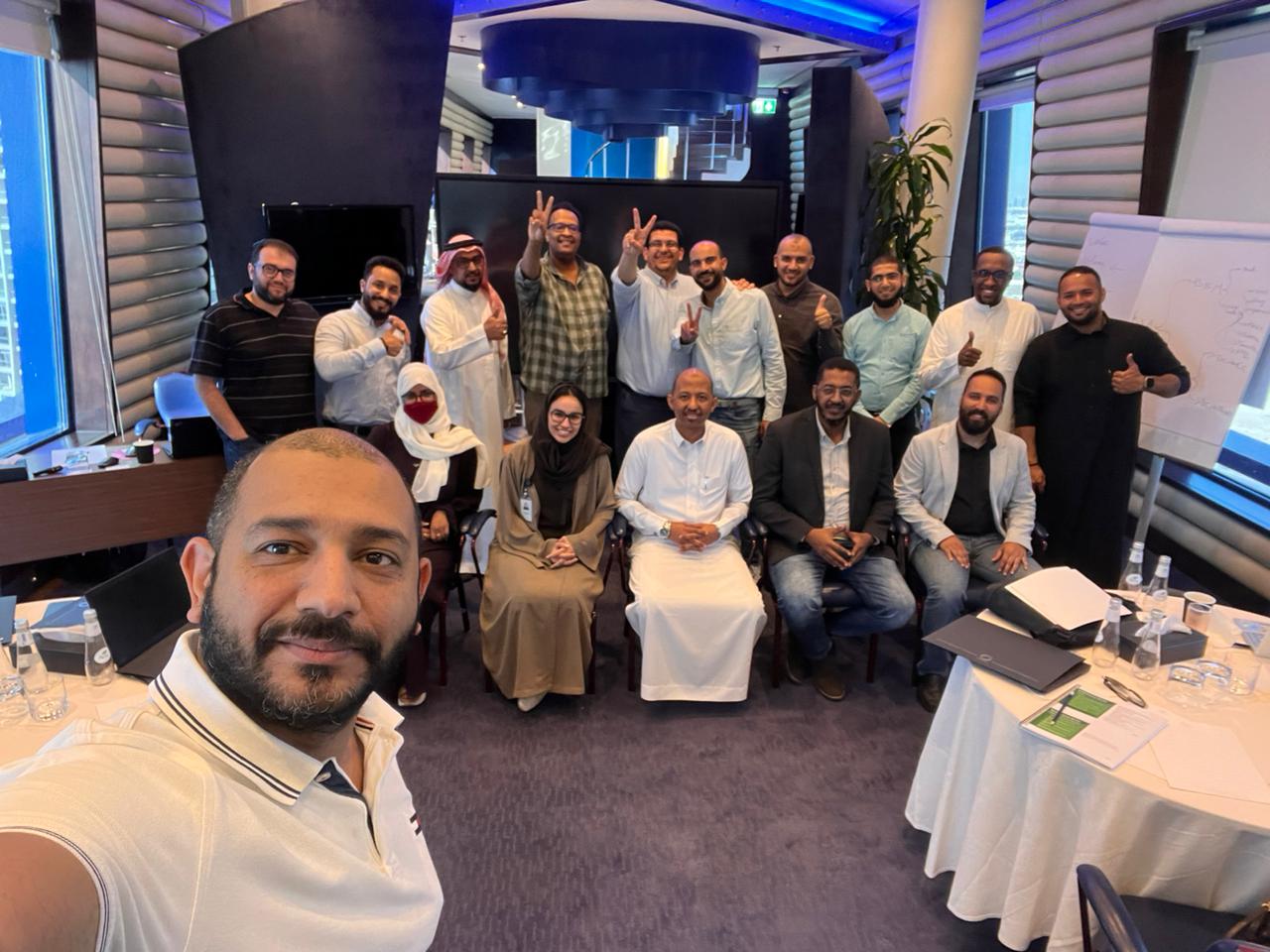
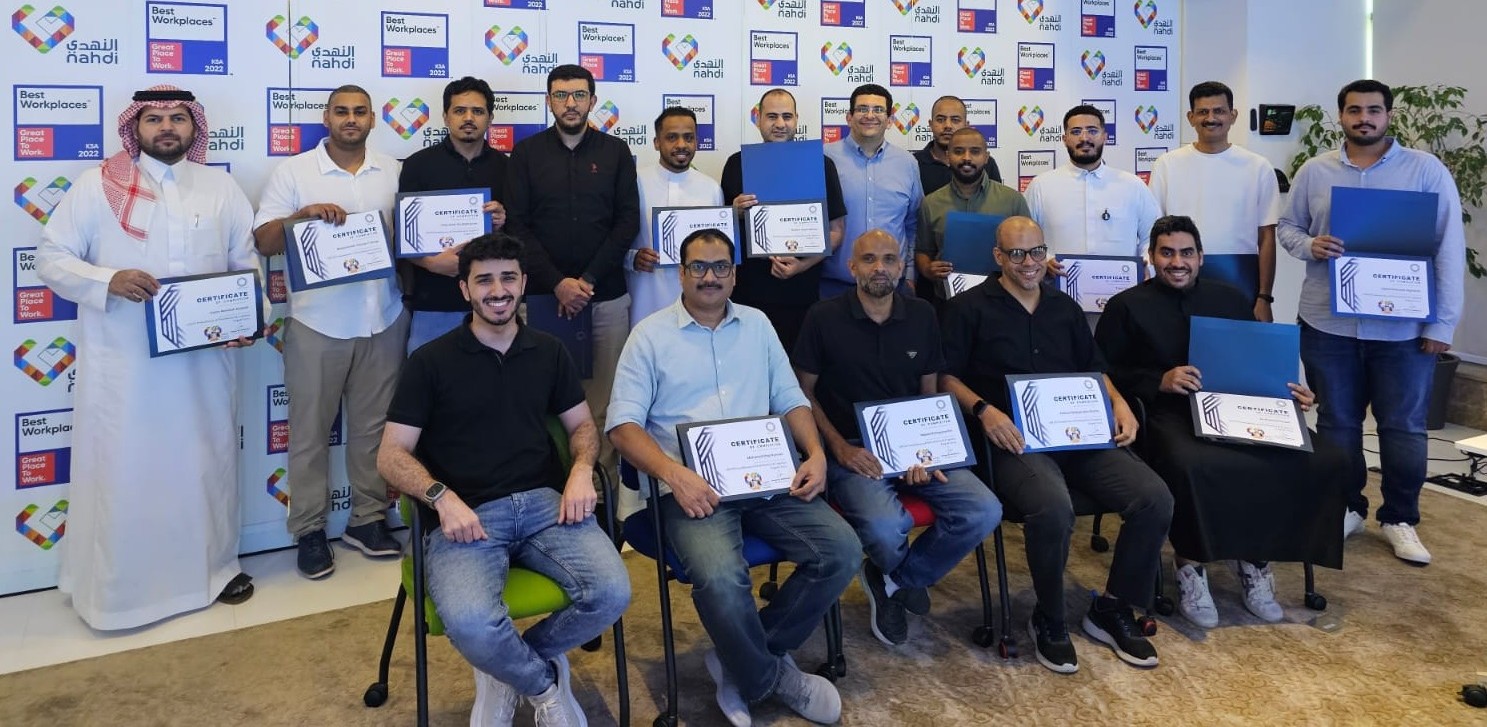
The Supply Chain Academy created a balanced learning portfolio that combined foundational education, professional certificates, and advanced certifications. Planned learning included Supply Chain Planning, Technology, Resilience, Warehousing, Distribution and Logistics, Sustainability, CPIM, CLTD, and other APICS/ASCM programs. Earlier academy activity also included Principles courses, CSCP, CLTD, and SCOR-based education.
Other learning resources
ASCM supported comprehensive supply chain capability development through foundational learning programs and foundation courses that established a common supply chain language across teams. Professional certificate programs enabled role-specific development in areas such as planning, warehousing, technology, resilience, and sustainability, while globally recognized certifications, including CSCP, CLTD, CPIM, and SCOR-based learning, supported leadership development and specialist career progression. Continuous learning was reinforced through microlearning resources available in the ASCM Knowledge Center, and capability assessments, including talent assessments and proficiency testing, helped identify skill gaps and prioritize training needs.
MUHAKAT Training Delivers Results
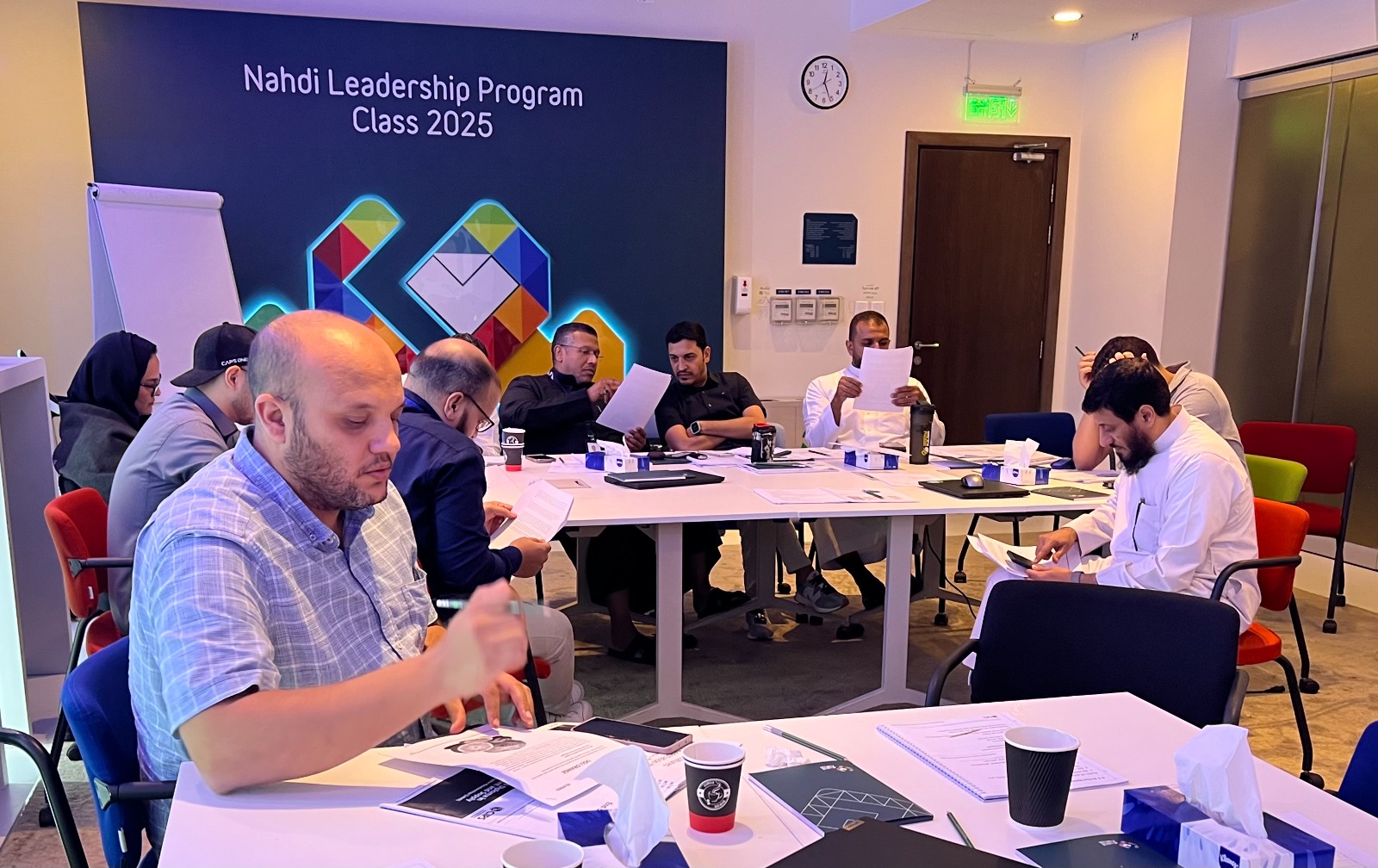
The academy created a clear return on education by converting learning into certification, employee engagement, operational projects, and measurable business improvements.
Unified Competency Framework
Nahdi created a structured competency model that connected supply chain processes, role requirements, proficiency levels, and learning pathways.
Certification and Professional Growth
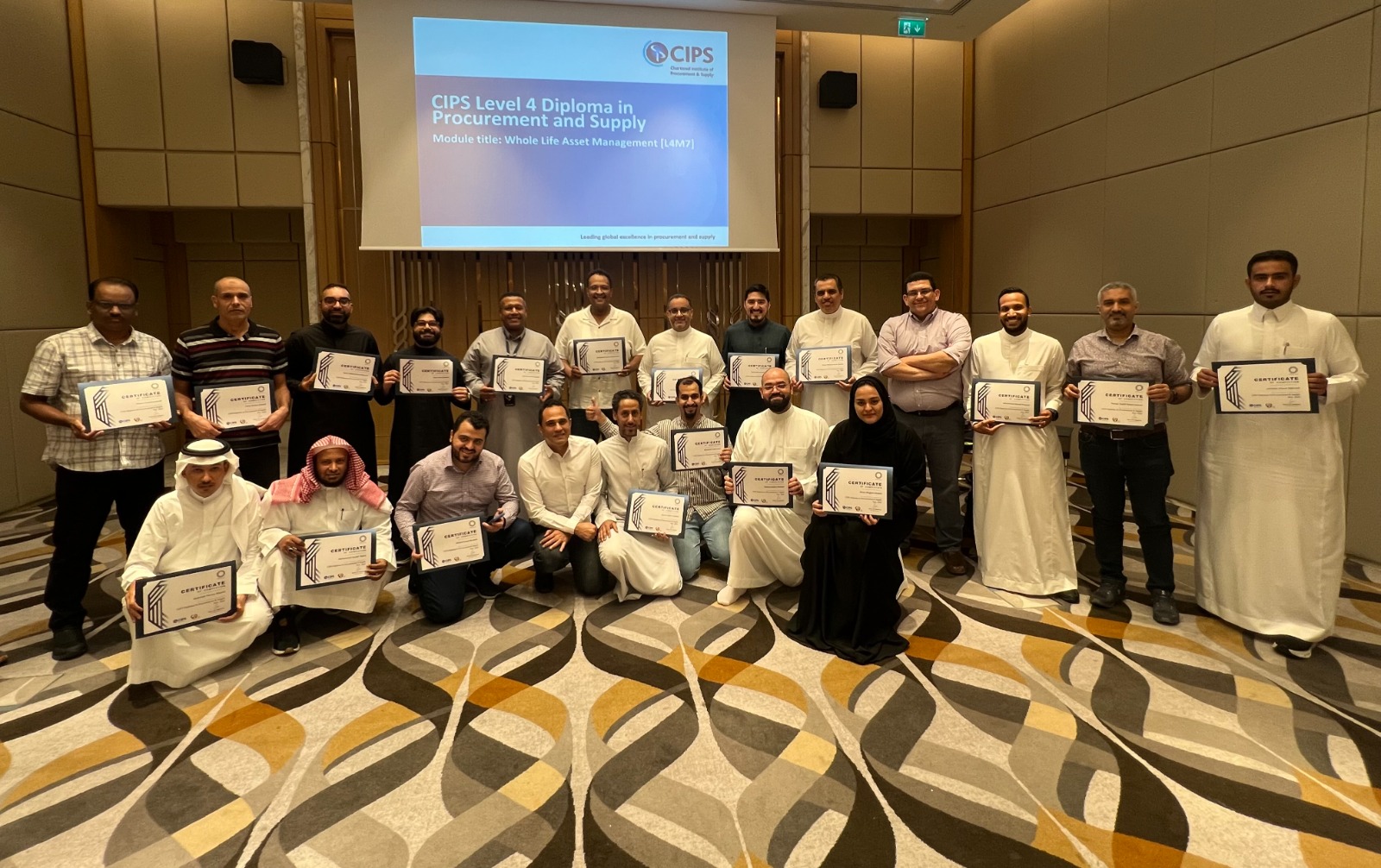
More than 10 directors and managers from the supply chain leadership team achieved APICS certifications, validating the investment in professional development.
Training at Scale
More than 110 employees participated in specialized training programs, while the broader academy planning process covered 950 supply chain employees.
Operational Improvement Culture
SCOR-DS and CSCP learning sparked internal improvement initiatives in inventory management, cash-to-cash optimization, and warehouse operations
Sustainable Learning Roadmap
The 2023-2026 implementation plan created continuity by linking learning investments with Nahdi’s long-term supply chain strategy.
Employee Engagement and Retention
The academy supported an engaged and empowered workforce by creating clearer growth paths and stronger confidence in future supply chain careers.
“The Supply Chain Academy transformed learning from a training activity into a structured capability platform. It helped align people, processes, standards, and future strategy into one practical roadmap for sustainable supply chain excellence.”
A Learning Platform for Lasting Supply Chain Excellence
By combining ASCM global standards, APICS body of knowledge, CIPS, competency assessment, and MUHAKAT’s regional education expertise, Nahdi built more than a training catalogue. It built a learning infrastructure that can continuously develop talent, improve performance, and prepare the organization for the next generation of healthcare supply chains.
Are you ready for your success story?
Fill out the form below to get started.
