
Principal Buyer
Building a Common Supply Chain Language Through CSCP Learning
5
CSCP Batches
40+
Learners Developed
360°
Supply Chain Perspective
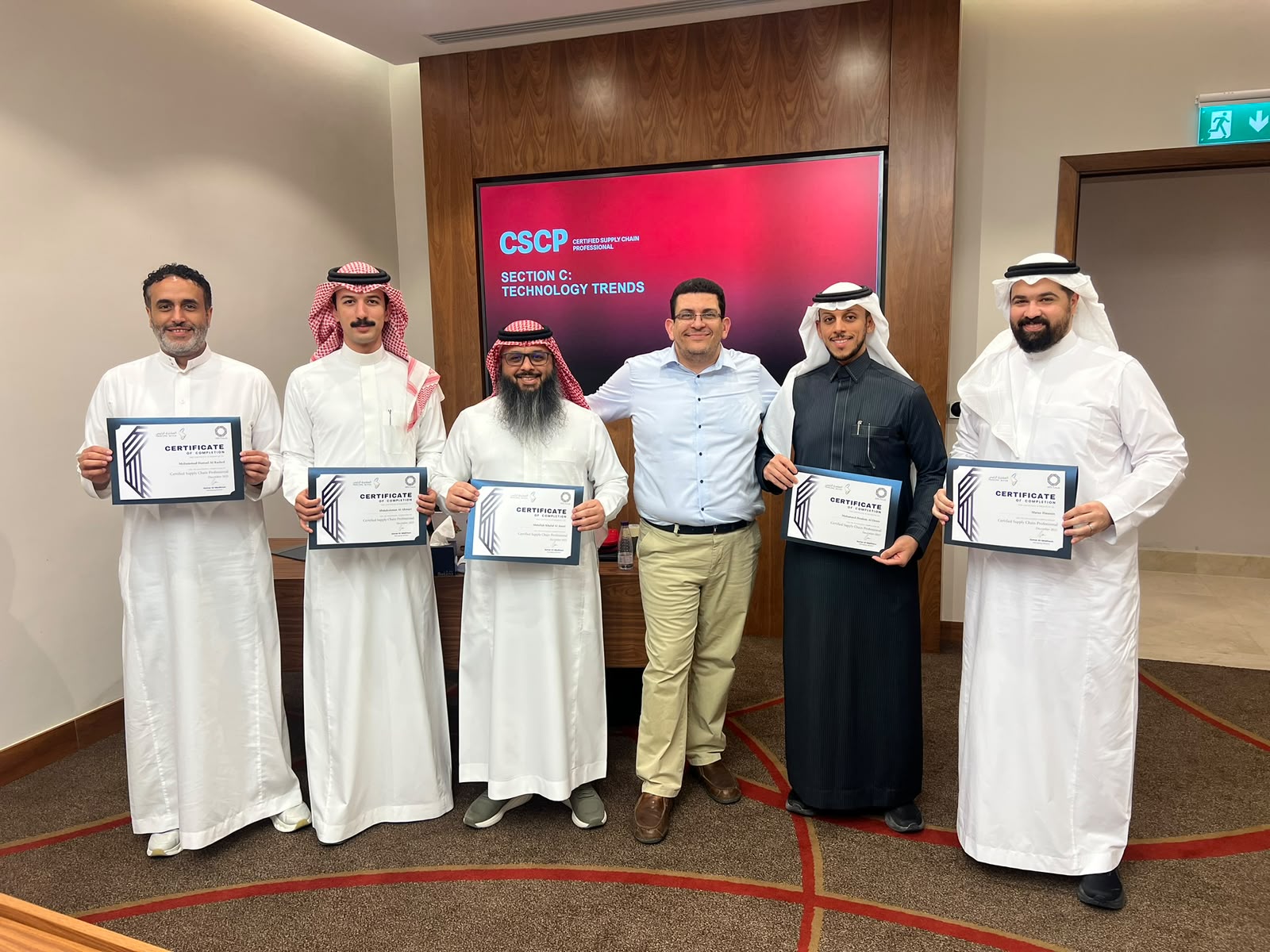
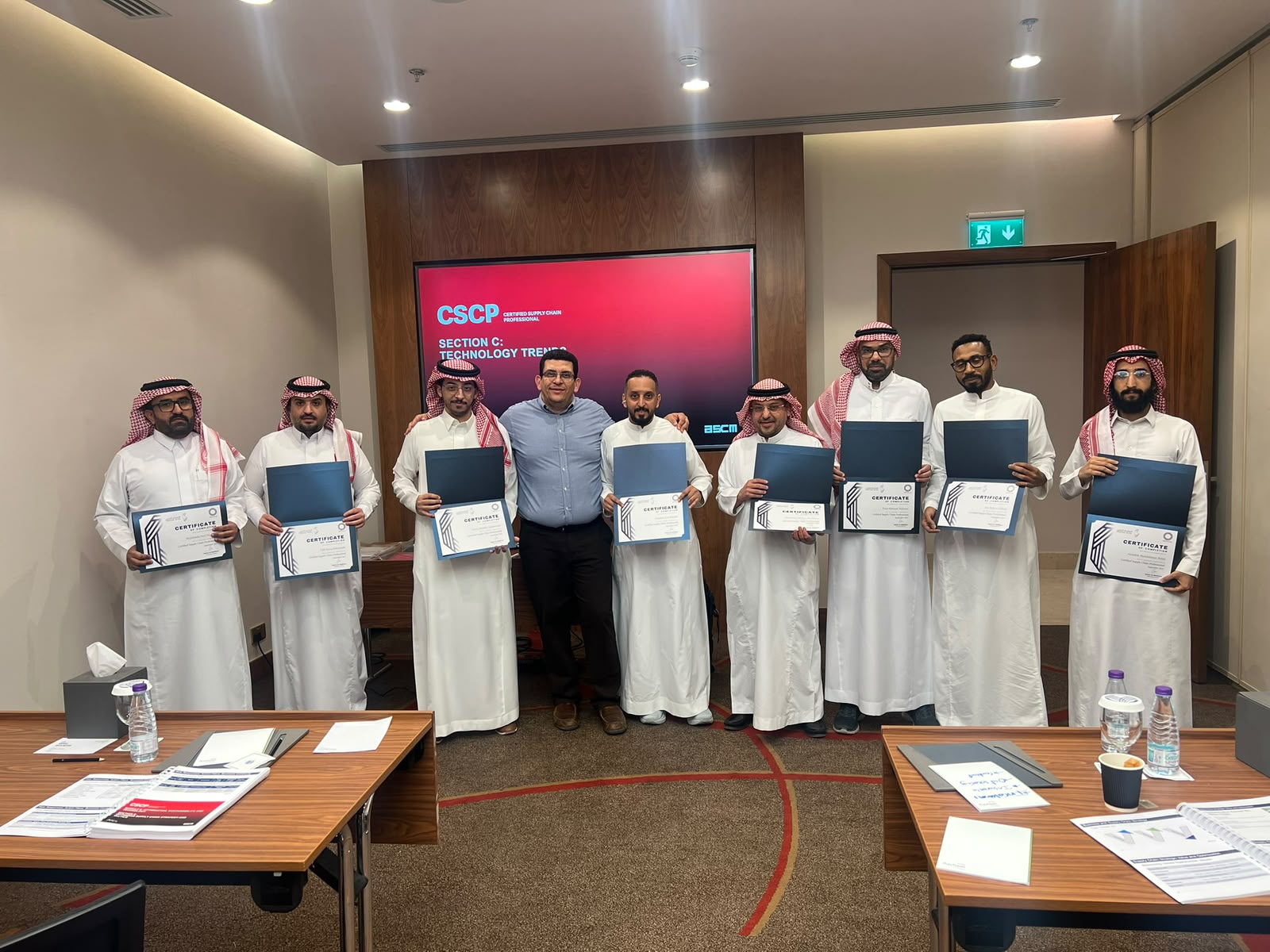
Principal Buyer partnered with MUHAKAT to develop a stronger, shared understanding of end-to-end supply chain management through the APICS CSCP learning journey. Across five CSCP batches and more than 40 learners, the initiative focused on creating a common professional language, building a 360-degree view of supply chain, and connecting global best practices to the operating realities of government and energy-sector environments. |
The Case for a Shared Supply Chain Language
Government and energy-sector supply chains operate in complex environments where procurement, planning, sourcing, logistics, risk, sustainability, supplier relationships, and stakeholder alignment must work together. In such settings, technical excellence alone is not enough; teams need a shared language that connects decisions across functions and supports better operational coordination.
Principal Buyer recognized that supply chain learning could help its professionals move beyond functional silos and see the full value chain. The purpose was not only to prepare learners for a certification, but to create a mindset shift: from isolated activities to an integrated supply chain perspective that supports better service, stronger governance, and measurable operational impact.
Finding the Right Learning Partner
The company soon participated in a litany of ASCM educational offerings:
Finding the Right Learning Partner
Principal Buyer selected MUHAKAT to deliver the CSCP learning experience because of MUHAKAT’s regional expertise, practical facilitation style, and ability to translate global supply chain standards into business language relevant to local markets, public-sector needs, and energy-sector operations.
The Learning Journey Begins
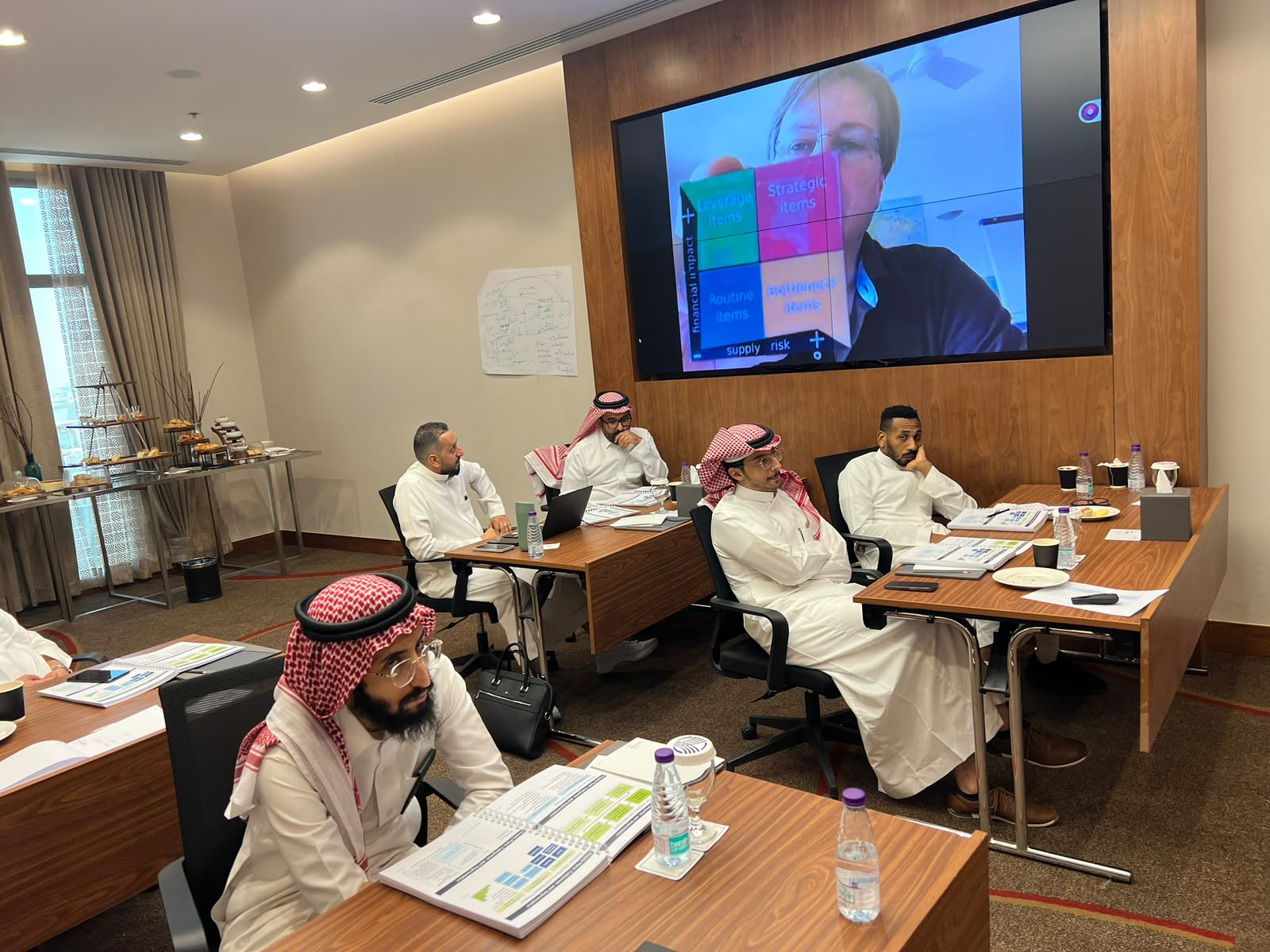
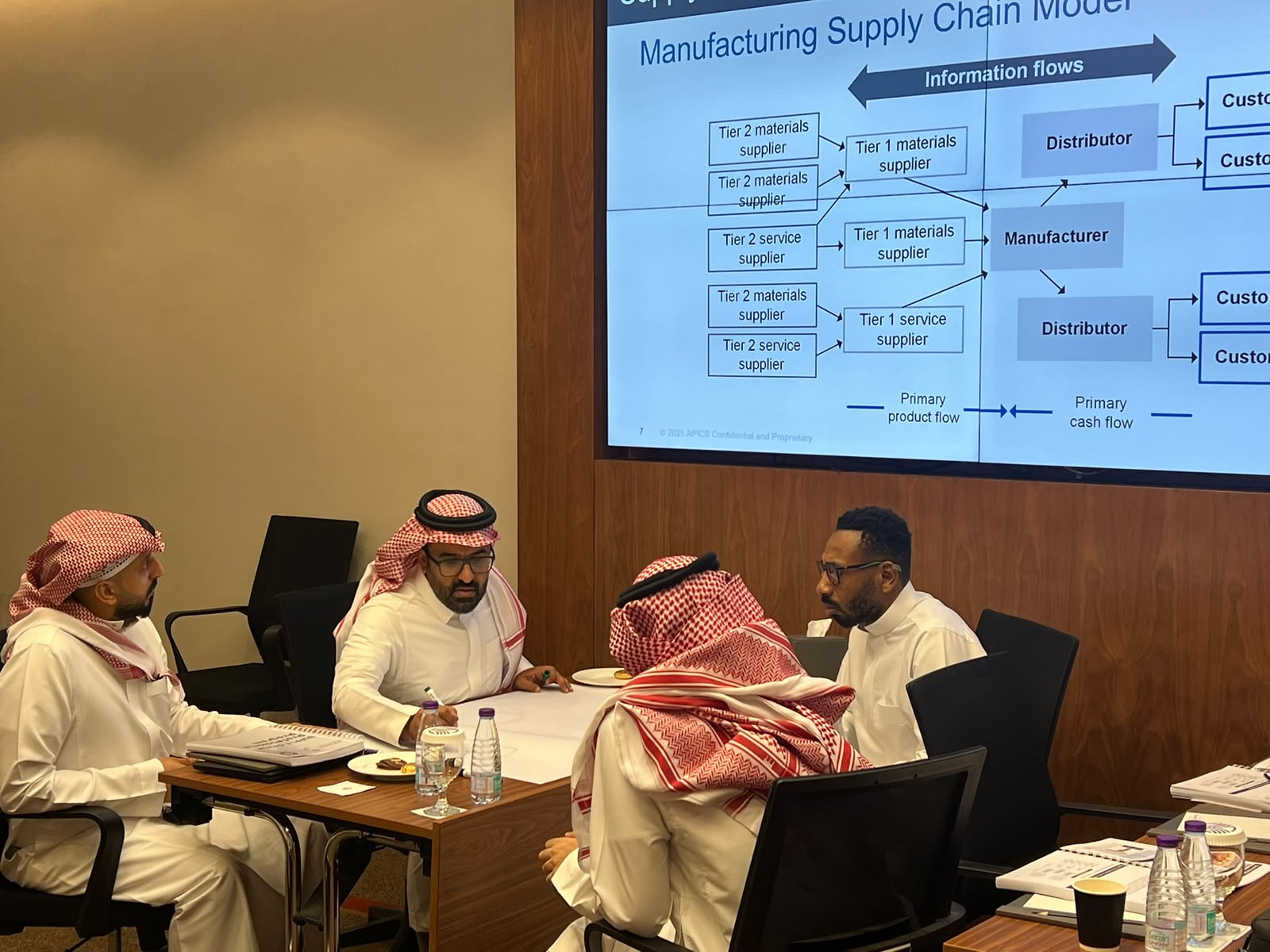
The initiative was delivered across five CSCP batches, reaching more than 40 learners. Each batch was designed to help participants understand how supply chains operate as connected systems, not as separate departments. Learners explored how demand, sourcing, internal operations, logistics, supplier relationships, risk, technology, sustainability, and strategy influence performance across the full supply chain.
The APICS CSCP Learning System provides a broad view of global end-to-end supply chain management through eight learning modules and web-based study tools. This made the program an ideal platform to build a holistic understanding and unify the language of supply chain across different professional backgrounds.
Seizing the Learning Opportunities
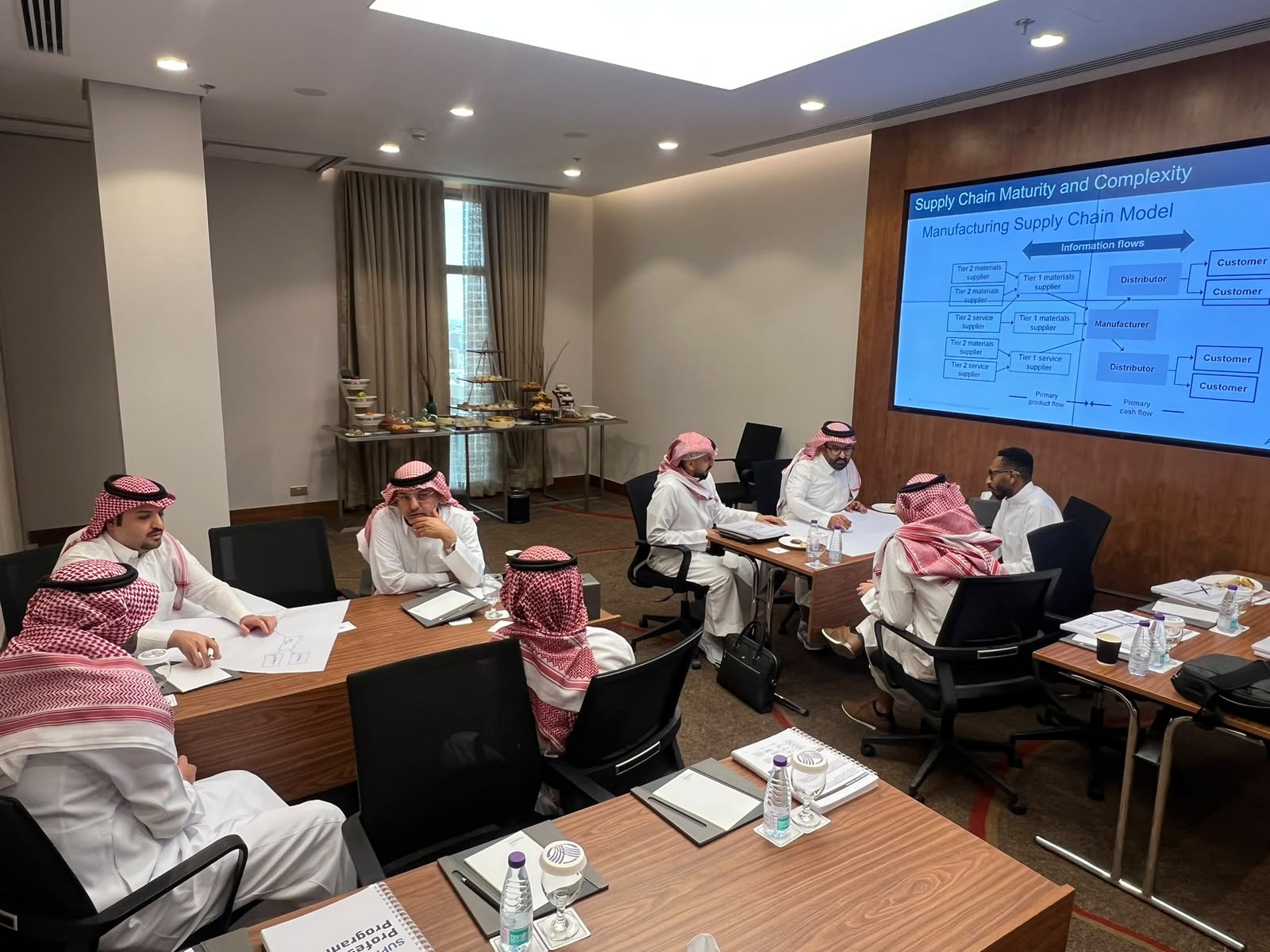
Through the CSCP learning journey, Principal Buyer participants were exposed to the major building blocks of modern supply chain management. The program helped learners connect theory to practice and understand how global best practices can be adapted to government and energy-sector environments.
Adapting CSCP to Government and Energy-Sector Contexts
The value of CSCP for Principal Buyer came from its ability to provide a full supply chain lens that can be adapted across regulated, asset-intensive, and mission-critical environments. In government-related supply chains, supply chain capability supports transparency, service continuity, public value, supplier coordination, and better use of resources. In the energy sector, supply chains must also address reliability, risk, sustainability, resilience, and continuity of critical operations.
By learning the end-to-end supply chain body of knowledge, participants were better positioned to discuss operational issues using a common structure. This helped connect procurement decisions with demand, inventory, logistics, supplier relationships, performance measurement, risk management, sustainability, and technology-enabled improvement.

MUHAKAT Training Delivers Results
Five CSCP Cohorts
MUHAKAT delivered five CSCP batches for Principal Buyer, creating continuity and consistency across the learning journey.
40+ Learners Developed
More than 40 professionals participated, building a stronger base of supply chain knowledge inside the organization.
Shared Professional Language
Participants learned to speak the same supply chain language across planning, sourcing, logistics, operations, risk, and performance.
Best-Practice Learning
The program introduced globally recognized supply chain concepts and practices that can be adapted to practical operating challenges.
Sector-Relevant Application
Learning discussions connected CSCP concepts to government-sector needs and energy-sector supply chain realities.
The most valuable outcome was not only certification preparation; it was creating a common supply chain language that helped learners see the full picture and connect best practices to the realities of government and energy-sector operations.
Why It Matters
This case demonstrates how professional supply chain education can create organizational alignment. For Principal Buyer, the CSCP journey helped learners understand the full supply chain, connect their roles to wider business outcomes, and adopt a more integrated way of thinking about operations.
In public-sector and energy-sector contexts, this type of learning is especially important because supply chains must deliver continuity, resilience, transparency, cost effectiveness, supplier collaboration, and sustainable value. By building a common language and a best-practice foundation, MUHAKAT helped Principal Buyer create a stronger platform for future capability building.
Are you ready for your success story?
Fill out the form below to get started.
